Southeast Asia is home to more than 680 million people spread across eleven countries, each with its own history, language, and economic trajectory. The region's combined GDP has surpassed $3.6 trillion, and foreign direct investment continues to pour in at record rates. Yet for all this momentum, the professionals and organizations driving growth here face…

Learn how to effectively set up your organization’s training budget with expert tips, key insights, and strategies to maximize ROI—empower your team today!.
Setting up your organisation's training budget
Imagine this: your company is ready to invest in employee growth, but the training budget is either too small to make a real impact or so…
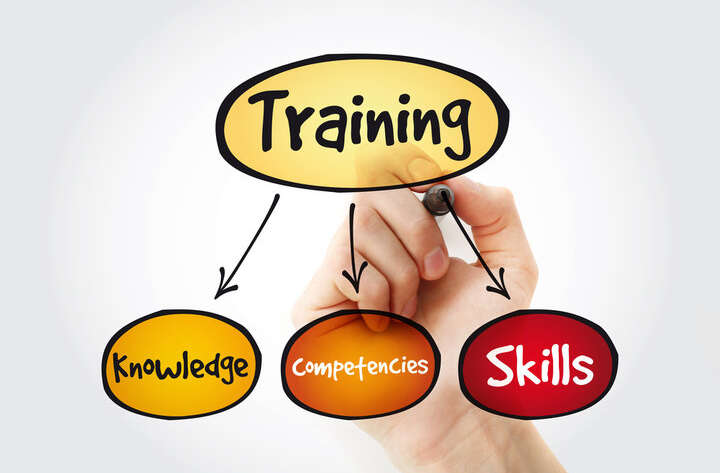
A well-structured training department is more than just a support function; it’s a strategic driver for organizational success. Whether you’re in a small business, a large corporation, or a nonprofit, building an effective training department ensures that employee development is consistent, scalable, and aligned with business goals.
So, what are the key components of a…
Why Competency Models Matter
Organizations face significant costs when skills don't match job demands. A recent study reveals that up to 30% of employee turnover happens due to skill gaps. This not only drains resources but also disrupts team dynamics and Talent Management. Imagine a company where employees frequently leave because they feel overwhelmed or…

Leadership training programmes are crucial for developing effective leaders who can drive organizations towards success. However, the real value of these programmes often lies not just in the initial training but in the follow-up workshops that reinforce, refine, and expand the skills learned. This article will explore the importance of follow-up training, the benefits of…

The Indonesian mining sector has long relied on a mix of local and expatriate employees to power its operations. With the government’s push for nationalisation, the focus has shifted to replacing expatriates with Indonesian workers to ensure local participation, enhance economic equity, and build domestic expertise. However, this shift presents significant challenges, particularly in skill…

Establishing a mentoring programme in the workplace can be a transformative initiative, fostering professional growth, enhancing employee engagement, and promoting a culture of continuous learning. A well-structured mentoring programme not only benefits the mentees but also enriches the mentors and the organization. This guide will walk you through the essential steps to set up a…
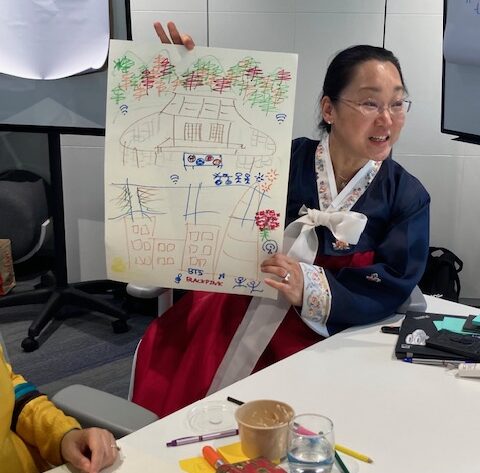
Art in Cross-Cultural Training; In today's globalized world, cross-cultural training is becoming increasingly essential for organizations that work across diverse cultural contexts. The integration of art into this training can enhance understanding, communication, and retention of cultural nuances. By employing artistic modalities, companies can effectively prepare their workforce for the challenges and opportunities that arise…
DEI Training for Companies and Organisations
As the business landscape continues to evolve, the importance of diversity, equity, and inclusion (DEI) in the workplace has become more apparent. DEI training for companies is not just a trend, but a necessity for organizations seeking to foster a more inclusive and equitable environment. This article explores the…
In today's globalized world, the concept of a multicultural team is becoming increasingly common. Businesses and organizations are recognizing the value of diversity and are actively seeking to build teams that reflect the diverse societies in which they operate. However, managing a multicultural team can present unique challenges. This comprehensive guide will explore the benefits,…
70/20/10 Rule Limitations
The 70/20/10 model has gained popularity in the field of learning and development. It is often presented as a framework that suggests how individuals can best acquire knowledge and skills. However, it is important to recognize that the 70/20/10 model might not always be suitable for every situation. This article aims to…
DEI in the Workplace; Explore the pivotal role of diversity, equity, and inclusion in the corporate world and discover how embracing these principles can drive innovation, foster a more inclusive work environment, and ultimately lead to greater business success.
The Importance of Diversity, Equity, and Inclusion in the Corporate World
As the global business landscape…